


The Importance of a Good Fall Prevention Plan
Did you know that falls are among the biggest risks to older adults? As we age, we go through several physical, cognitive, and sensory changes that can significantly impact our balance. An impaired balance means a higher chance of falling–and a higher chance of falling makes it more likely that you might suffer a severe injury.
Fortunately, there are several things you can do to improve your balance, no matter your age. At Boost Physical Therapy and Sports Performance, we offer dedicated fall prevention plans to address your fall-related risk factors. We’ll help you improve your strength, balance, and stability to stay healthy and active throughout your golden years!
To illustrate just how important a good fall prevention plan is, we want to share the stories of two patients, whom we’ll call Janice and Carol. Janice underwent a dedicated fall prevention plan; Carol didn’t.
You can also call us if you’d like more personalized information!

Carol’s Story: Shaken Confidence and One Bad Injury
Carol was 68 when she first visited us. Although she’d been fairly active when she was younger, she developed knee osteoarthritis in her early 60s, which led to her becoming much more sedentary. Her pain and restricted mobility caused her to fall and break her hip, and she worked with us on her rehabilitation.
We were understandably concerned about Carol’s fall risk, as she met several of the criteria:
- A history of falls (falling once doubles the likelihood that you’ll fall again)
- Weak legs and core
- Knee pain and impaired gait from osteoarthritis
Unfortunately, Carol’s insurance limited how frequently she could see a physical therapist, and rehabilitating her hip injury was her primary concern. While we did work with her to restore her strength and balance to where it was before her injury, she ran out of sessions before we could develop it further.
However, perhaps the biggest issue for Carol was that her fall and subsequent injury really shook her confidence. While she felt safe performing exercises in our clinic, she worried about performing them at home, fretting that she would injure herself–or worse, fall again. As a result, she sank back into her sedentary lifestyle, which only worsened her arthritis symptoms and made it more likely that she would fall again.
If we’d been able to continue working with Carol, we could have improved her physical balance and helped build her confidence, too. How do we know this? Because it’s what happened with Janice.
Janice’s Story: Dedicated Fall Prevention to the Rescue
Janice’s background is strikingly similar to Carol’s. She was a little older when she developed osteoarthritis (late 60s), and she suffered her big fall when she was 73. Again, she initially visited us so we could help rehabilitate her after her injury.
Like Carol, Janice’s confidence was shattered by her fall. However, she noticed that working with us made her feel more confident in exercising and being generally active. After she finished her rehabilitation, she indicated she would like to continue with physical therapy. We were delighted to oblige!
We immediately suggested that Janice focus on a dedicated fall prevention plan, and we created a customized program that addressed her specific needs:
- Pain management helped control her osteoarthritis pain so she could work through her exercises.
- We continued the strength training program we had developed for her rehabilitation to restore strength throughout her lower body and core–crucial muscles in controlling balance.
- Focused balance training targeted the skills she needed most. We started her off with exercises that challenged her balance without putting her at risk, then increased the intensity as she improved (and Janice loved seeing her progress).
- Through gait training, we helped Janice improve her walking pattern, which had become impaired due to her OA pain. An improved gait helped her increase her overall mobility.
By the end of her program, Janice no longer feared falling the way she had before. In fact, she even enrolled in a local Tai Chi class to continue working on her strength and balance in a fun, supportive environment.
Not Seeing Results? Don’t Get Discouraged!
The Boost Physical Therapy and Sports Performance team loves sharing our patients’ success stories. However, we also realize that for every success, other patients are struggling with their program–patients who feel like they aren’t progressing quickly enough or who think that even their best effort isn’t good enough.
In short, patients who become discouraged.
As much as we don’t want any of our patients to feel discouraged, we know that it sometimes does happen. That’s why we wanted to share a few of our favorite tips for staying positive as you work through physical therapy.
Three Techniques to Help Avoid Feeling Discouraged
- Know Your Why: There’s a reason you sought out PT in the first place. Maybe you want to spend more time with your family. Maybe you want to smash an athletic goal. Try writing down your “why” as a reminder on days when things don’t feel so hopeful.
- Track Your Progress: This one’s easy because we already do it for you! However, you might want to keep track of your progress on your own to see how far you’ve come whenever you need an uplift.
- Talk to Your Physical Therapist: At the end of the day, we want each and every one of our patients to succeed. If you’re really struggling, let us know. We can provide a long-term perspective, adjust your short-term goals, or just give you a much-needed pep talk. We can also perform a re-evaluation to make sure we aren’t missing anything.
Ready to write your own success story? Call us to schedule an appointment today!
Meet Our Team


Ryan Ruble
Sports Performance Manager

Sean Whitmore
PT, DPT

Can Balance Training Help You?
If you’re an older adult with multiple fall risk factors, a fall prevention program at Boost Physical Therapy and Sports Performance is the key to staying healthy and active. Call us today to learn more!
Try This
Calf Raises
- Stand tall with your feet hip-width apart and your hands resting on a chair or countertop for support.
- Slowly rise up onto the balls of your feet, lifting your heels off the ground. Hold briefly at the top, then lower back down with control.
- 3 Sets, 10 Reps.
- (Materials needed: chair or countertop for balance)

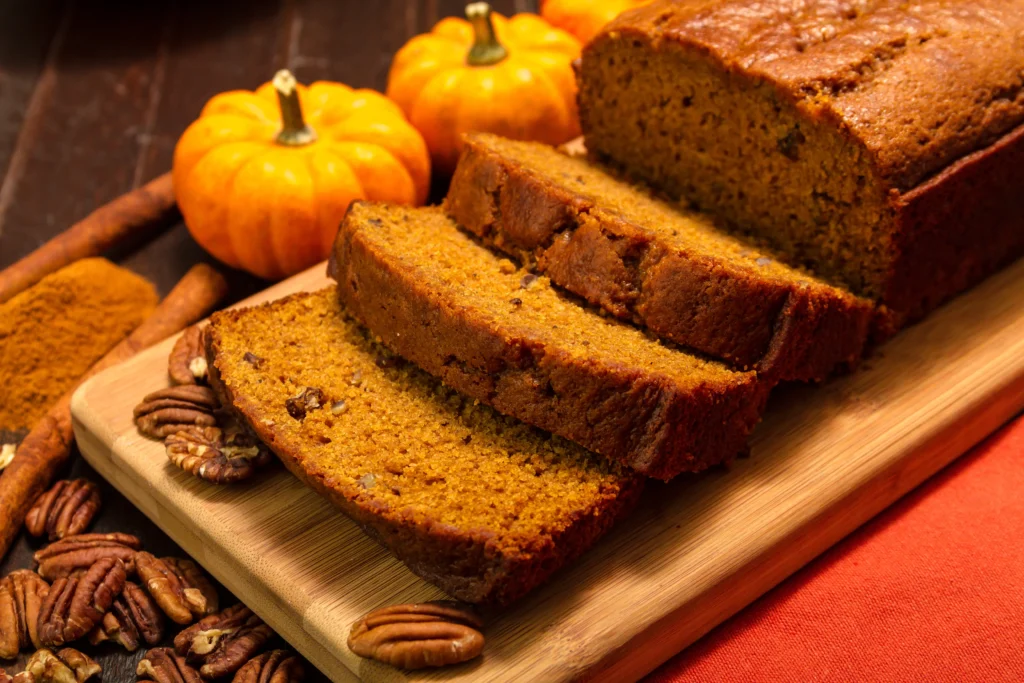
Recipe of the Month: Pumpkin Bread
Ingredients:
- 2 cups all-purpose flour, spooned into measuring cup and leveled-off
- ½ teaspoon salt
- 1 teaspoon baking soda
- ½ teaspoon baking powder
- 1 teaspoon ground cloves
- 1 teaspoon ground cinnamon
- 1 teaspoon ground nutmeg
- 1½ sticks (¾ cup) unsalted butter, softened
- 2 cups sugar
- 2 large eggs
- 1 (15-oz) can 100% pure pumpkin
Instructions:
- Preheat oven to 325°F and place rack in middle. Grease and flour two 8×4-inch loaf pans or use baking spray. In a bowl, whisk flour, salt, baking soda, baking powder, cloves, cinnamon, and nutmeg. In a mixer, beat butter and sugar until blended.
- Add eggs one at a time, beating well, then beat until light and fluffy. Mix in pumpkin (mixture may look curdled). Add dry ingredients and mix on low until combined.
- Divide batter between pans and bake 65–75 mins, until tester comes out clean. Cool in pans 10 mins, then transfer to wire rack.