


How Physical Therapy Can Help Resolve Your Knee Pain
Walk, Run, And Jump Again Without The Nagging Knee Pain
Imagine struggling to climb stairs, play with your kids, or simply walk your dog because of nagging knee pain. It’s incredibly frustrating, isn’t it? Knee pain is a common ailment that affects people of all ages and activity levels. Whether it’s a dull ache or a sharp, debilitating pain, it can put a damper on your day and prevent you from enjoying the activities you love. Fortunately, physical therapy offers a proven path to resolving knee pain so patients can regain their mobility and quality of life.
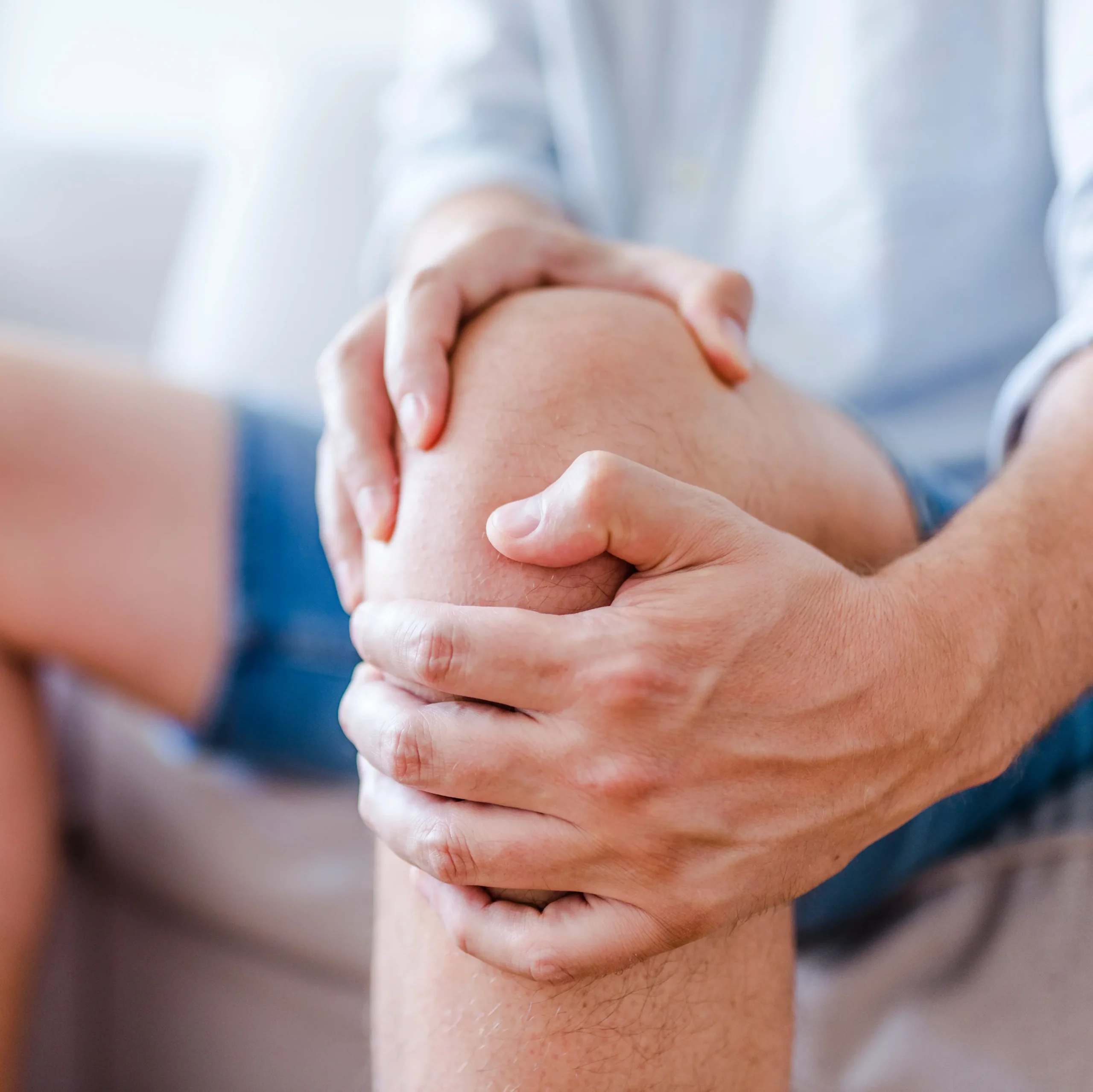
Target The Knee Pain Right At The Source
Our physical therapists possess a deep understanding of how the body moves and can identify the specific factors contributing to your knee pain. Instead of just masking the symptoms, we take a personalized approach to each program that addresses the underlying causes of your knee pain for long-term relief and improved function.
Some common knee conditions we treat in our practice include:
- Osteoarthritis: This is a degenerative joint disease that causes the breakdown of cartilage in the knee, leading to pain, stiffness, and swelling. Risk factors include age, obesity, previous knee injuries, and family history.
- Patellofemoral Pain Syndrome: Pain around the kneecap is often caused by overuse, muscle imbalances, or poor tracking of the kneecap. This condition is more common in young athletes, women, and people with flat feet or weak thigh muscles.
- IT Band Syndrome: This involves irritation of the iliotibial band (IT band), a thick band of tissue that runs along the outside of the thigh. It often causes pain on the outer side of the knee and is common in runners, cyclists, and those with tight IT bands or weak hip muscles.
- Meniscus Tears: The meniscus acts as a shock absorber in the knee. A tear in this cartilage can cause pain and limited movement. Sudden twisting movements, sports injuries, and advanced age are common risk factors.
- Sprains: Sprains occur when the ligaments that stabilize the knee joint are stretched or torn. This can happen due to sports injuries, falls, or sudden changes in direction.
Meet Our Team


Ryan Ruble
Sports Performance Manager

Sean Whitmore
PT, DPT
Resolve Your Knee Pain With Boost Physical Therapy
Our physical therapists are movement experts who specialize in evaluating and treating musculoskeletal conditions like knee pain. Every PT program at Boost Physical Therapy is highly personalized, but you can expect to see a combination of strategies like:
- Pain Management: We use a variety of techniques to reduce pain, including manual therapy (hands-on techniques) and therapeutic exercises.
- Improved Mobility: Physical therapy helps restore a knee’s range of motion through targeted stretches and exercises to make everyday movements easier.
- Strengthening Exercises: Strengthening the muscles around your knee provides better support and stability, reducing strain on the joint and preventing future injuries.
- Return to Activity: Your physical therapist will design a personalized plan to help you safely and gradually return to your desired activities, whether that’s playing sports, gardening, or simply walking without pain.
Call Today
Don’t let knee pain hold you back any longer. Schedule an appointment with our experienced physical therapists today and take the first step towards an active life without the pain.
What Makes A Good Warm-Up and Cool-Down Routine?
Physical therapy is an important part of treating existing knee pain, but did you know that proper warm-up and cool-down routines can significantly reduce your risk in the first place?
A Proper Warm-Up
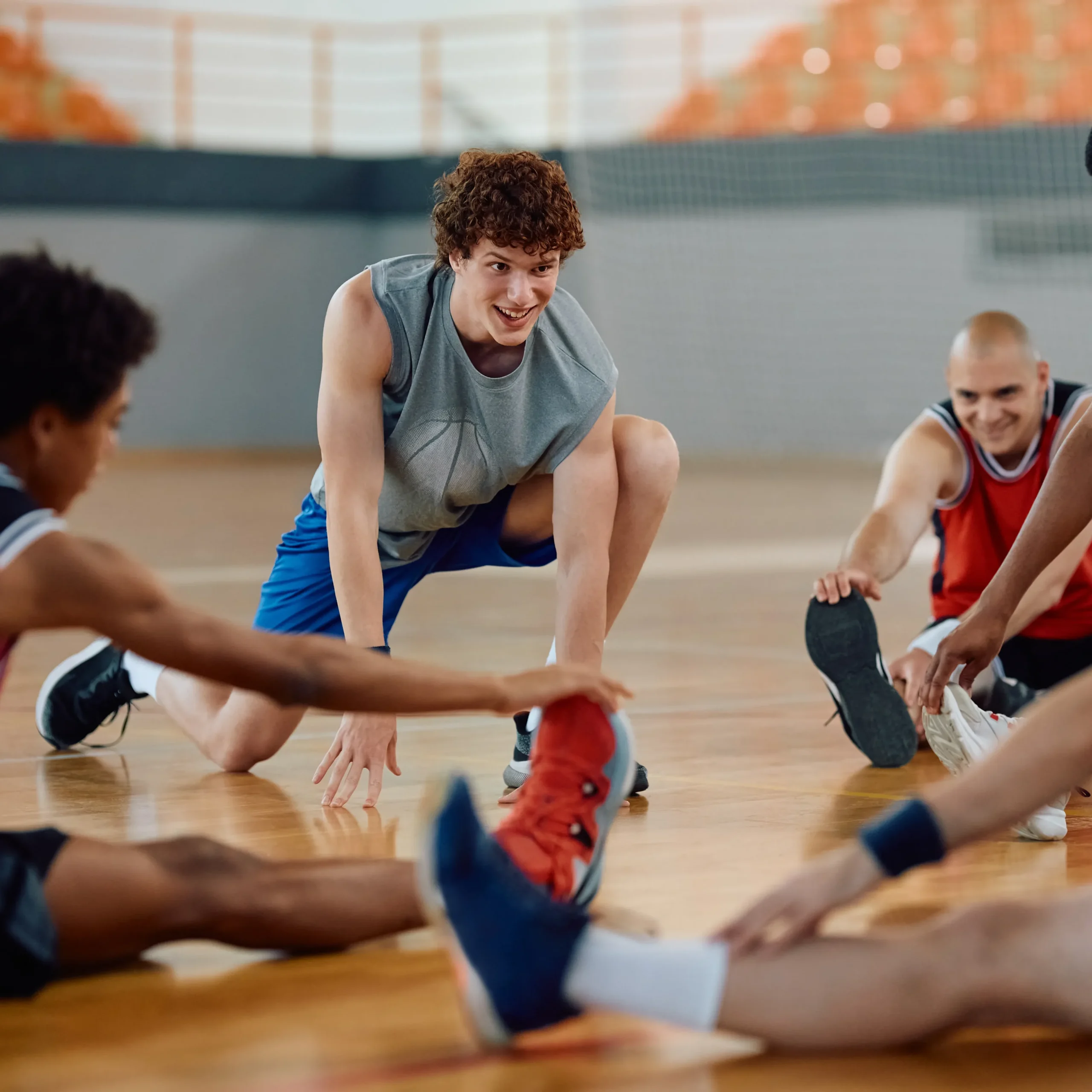
- Dynamic Stretching: Forget holding those long, static stretches before your workout. Dynamic stretching is the key to priming your muscles for activity and protecting your knees from injury. Unlike static stretches, where you hold a position, dynamic stretching involves actively moving your joints and muscles through their full range of motion. Think controlled leg swings, arm circles, and torso twists – movements that mimic the activity you’re about to do.
- Functional Movements: Then ditch the generic warm-up and focus on movements that mirror your sport. This type of functional warm-up primes your body for the specific demands of your activity, giving you an edge on the field or court. By rehearsing the movements you’ll be using in your sport, you’re essentially fine-tuning your neuromuscular pathways and preparing your body to react efficiently and effectively. This translates to better agility, quicker reflexes, and enhanced overall performance.
Craft A Cool-Down Routine
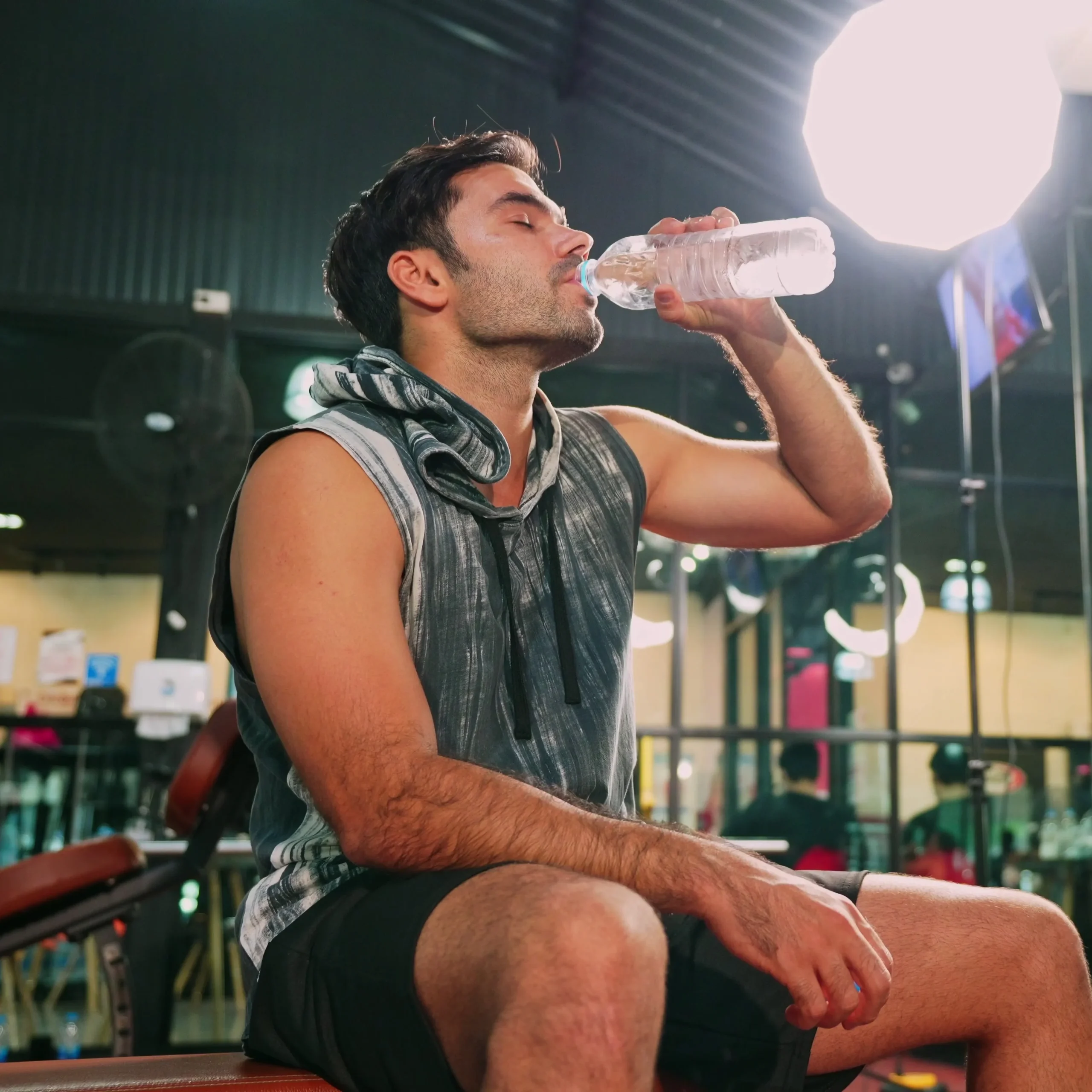
Cooling down after participation is as important as warming up to help your body gradually return to a resting state. Be sure to incorporate proper hydration, nutrition, stretching, and/or foam rolling to minimize post-workout soreness. Adequate recovery also ensures your body is ready to handle training demands the following day.
Call Today
Need help designing a personalized warm-up and cool-down routine? Our physical therapists can assess your needs and provide expert guidance to optimize your knee health.
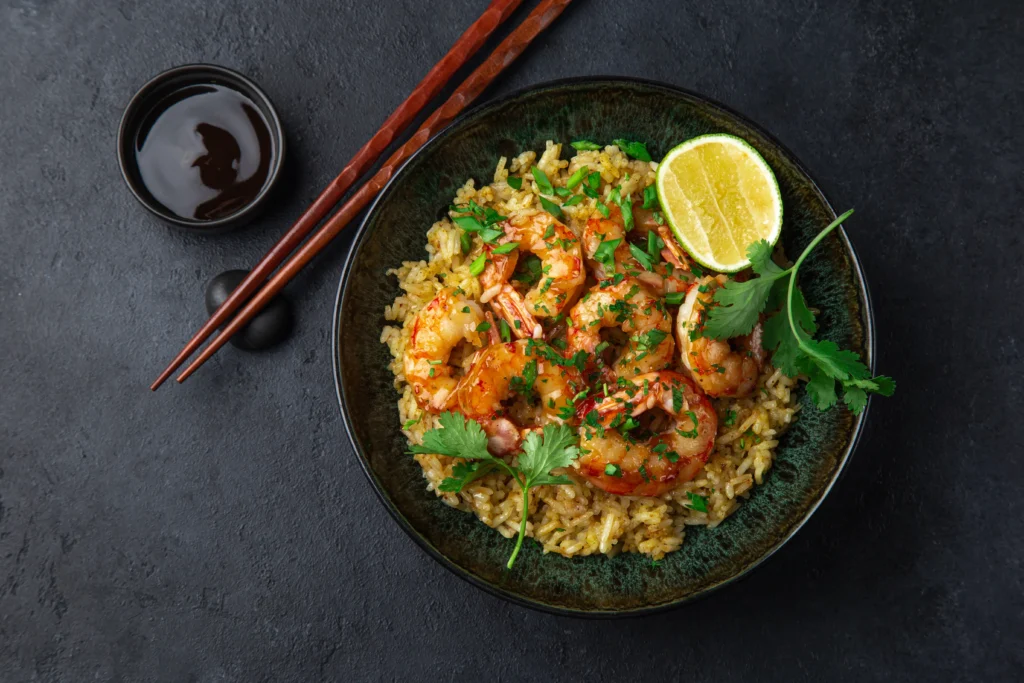
Recipe of the Month: One-Pan Salsa Verde Shrimp & Rice
Ingredients:
- 1 Tbsp. extra-virgin olive oil
- 1 small onion, chopped
- 1 poblano pepper, seeds removed and chopped
- 2 cloves garlic, minced
- 1 cup long grain white rice
- 2 cups low-sodium vegetable broth
- 1/2 cup (4-oz.) salsa verde, store-bought or homemade
- Kosher salt
- Freshly ground black pepper
- 1 lb. shrimp, cleaned and tails removed
- 1 1/2 tsp. cumin
- 1/4 cup freshly chopped cilantro
- Juice of 1 lime, plus more wedges for serving
Instructions:
- In a large deep skillet over medium heat, heat oil. Add onion and pepper and cook until soft, 5 minutes. Add garlic and cook until fragrant, 1 minute more.
- Add rice and toss to toast for 1 minute. Add broth and salsa and season with salt and pepper. Bring to a boil, then reduce heat to a simmer. Cook, covered until rice is almost cooked through and with just a slight bite to it, about 12 minutes, stirring occasionally to make sure rice isn’t sticking to bottom of pan.
- In a medium bowl, add shrimp and season with cumin, salt, and pepper. Add shrimp to skillet and stir into rice. Cover and continue cooking until rice is completely tender and shrimp is pink, about 5 minutes.
- Add cilantro and lime juice and season with salt and pepper to taste. Serve with lime wedges.